

I know that’s a lot of cities to process, and there isn’t a clean answer to this question. I grew up in Dubai, moved between London and the US at different points, and I’ve seen enough of these markets to know they don’t behave the way they’re usually marketed.
My family has invested in Mumbai and Dubai over the years, and I’ve learned that each city runs on a completely different logic. Not better or worse. Just different systems, different ways of moving money, attracting people, and creating value.
So I’m not going to give you a ranked list like the ones you usually find online. I’ll highlight the pros and cons of each city to help you make the best decision according to your endgame.
Dubai

People usually look at Dubai for low tax, safety, and growth. But those only matter if you know what it means for you.
Starting with taxes, Dubai doesn’t take a cut of your property income or capital gains the way many Western cities do. That means if your property goes from 1M to 1.4M over time, you actually keep most of that difference. In a place like London, a chunk of that increase can get eaten by taxes and fees along the way.
So the benefit isn’t just “tax-free income.” It’s that your long-term compounding stays intact as well. Over 15-20 years, that difference stacks quietly.
What about the USD peg?
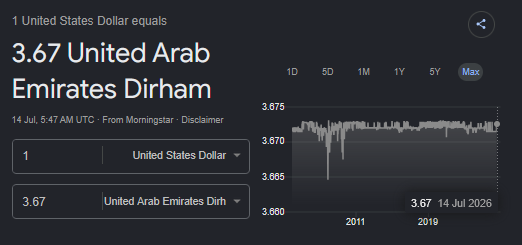
The fact that AED is tied to the USD means your property value is indirectly tied to the world’s strongest currency system.
If you buy in a country where the currency weakens over time, the global purchasing power doesn’t improve much when prices go up locally. So you might be richer in numbers, but not in reality.
In Dubai, that risk is reduced. If a global crisis hits and people move money into USD assets, Dubai usually doesn’t get punished the same way weaker currencies do. In some cases you might actually benefit because capital looks for stable, USD-linked markets.
That means your wealth is not just sitting in “local value” but closer to global value.
In terms of resale, Dubai works well because buyers are not just residents. They include people relocating, foreign investors, and people trying to store money in a stable, tax-light environment.
So when you want to sell, you’re not waiting for one type of buyer to appear. You’re waiting for any of several groups to be active at that time. That’s what makes exits easier in good cycles.
That also makes timing very important, because when global money slows, the market slows faster than places like London.
New York

In New York, you’re buying access to one of the strongest economic systems in the world.
USD is the global safety currency, so when the world stage trembles (think wars, crashes and banking stress), money tends to flow into USD assets, not out of them.
Owning a property in New York during uncertain times means sitting in the direction capital moves towards, not away from.
That’s a form of protection.
But let’s talk about taxes, because that’s where New York starts looking less attractive.
First is property tax. Depending on the exact borough, you’re roughly looking at around ~1% to 2.5% of the property value per year in many cases. That’s a recurring cost, so even if your property value goes up, you’re still paying a meaningful annual “holding fee” just to keep it.
Then there’s transaction tax when you buy or sell. In NYC, you typically face:
- Mansion tax on higher-value properties (starts at 1% and scales up above $1M)
- Transfer taxes (city + state combined can add roughly ~1–2% depending on value)
So just entering and exiting the market already takes a noticeable slice.
On top of that, you have ongoing costs like maintenance fees, building charges, and higher service costs in general (especially in condos and co-ops), which don’t always exist at the same level in places like Dubai or Miami.
In other words, even if you make more money on paper, you often keep less of it compared to places like London or Dubai once taxes, fees, and holding costs are taken out.
The best thing about New York is demand quality.
People who move there aren’t looking for the best deals or the lowest tax, they’re looking for the opportunities it creates, like jobs, clients, and networks. That creates a constant inflow of bright minds that keep replacing each other.
Everybody wants a slice of the city where dreams are made of. And participation is expensive because you’re paying to be part of that cycle.
Retirement-wise, it’s not naturally calm, so if you’re planning to wake up in the “city that never sleeps,” get ready to stay in motion for a very long time.
Miami
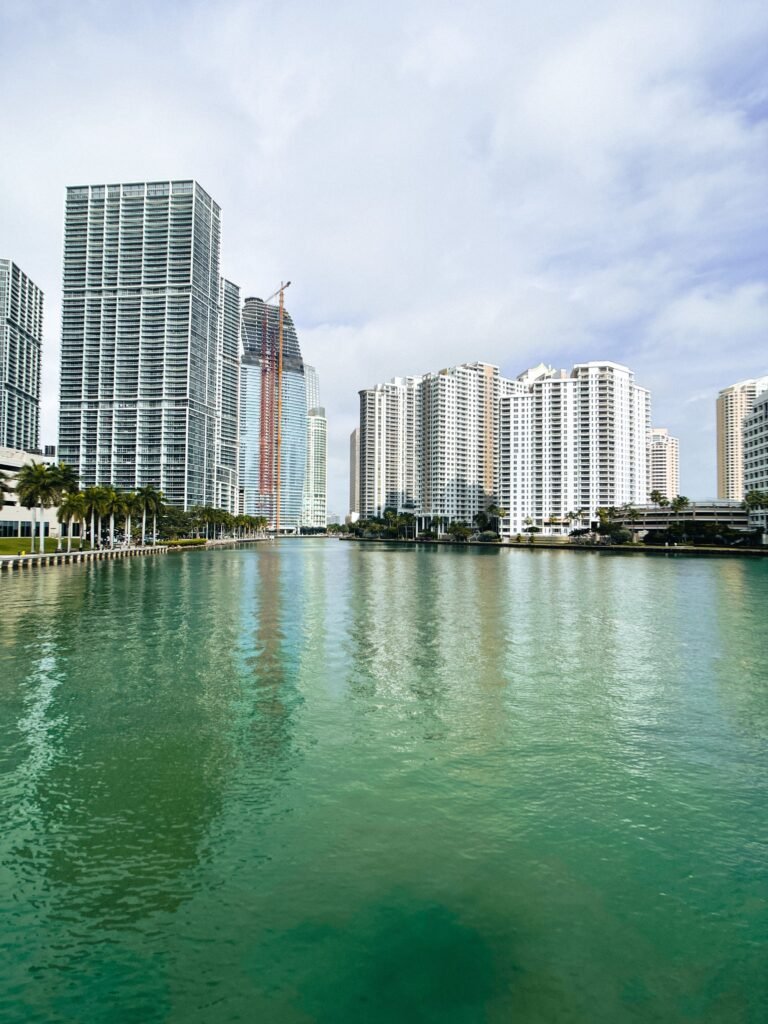
Miami is driven by mobility and money.
It’s not a city where wealth is created internally at the same scale as New York. It’s a city where wealth relocates to.
So when you buy there, you’re betting on continued inflow.
Taxes are one of the strongest advantages. No state income tax means that if you earn money elsewhere and live there, your effective retention increases immediately. Over time, that changes how much capital you can reinvest or hold.
Its strong currency gives you long-term stability, but Miami’s demand is still very sensitive to lifestyle trends, migration waves, and interest rate cycles… so when those conditions are strong and people are actively moving or investing there, buyers appear all at once, prices rise quickly, and selling becomes easy.
But when that movement slows down, fewer buyers are in the market, which means selling can take longer, and you may have to wait for the right person to show up.
For retirement, it’s lifestyle-heavy. Comfortable, warm, easy. But not as institutionally stable as London or New York.
London

London is about stability more than upside.
Tax-wise, it’s not efficient. Stamp duty, capital gains considerations, and general holding costs reduce net return. So if your main goal is maximizing retained profit, London is not the winner.
However, currency and capital trust make up for that.
GBP is not USD, but London has something else: global confidence. Wealth from multiple regions consistently parks there because legal systems are predictable and ownership rights are strong.
London has buyers from all over the world, so when local demand weakens, there’s usually someone else stepping in. That’s one of the reasons prices tend to soften instead of crashing.
Resale is reliable, but not fast. You don’t get sudden spikes of liquidity like Dubai, but you get consistent long-term exit options.
On the upside, London is probably the best city out of all for retirement. Life there naturally slows down… it feels like the city gradually exhales with you, making it easier to settle
But there’s a practical side to it. If you’re a foreigner and thinking about the citizenship route, it’s not instant. You need several years of legal residence in the UK before that door fully opens.
So it’s calm, steady, and very livable… but it asks for time before it becomes home.
Mumbai

Mumbai is a whole different story.
Here, demand is driven by population pressure and land scarcity. More people need housing than there is a high-quality supply.
That creates long-term upward pressure on prices.
But currency matters more here.
INR exposure means your returns are tied not only to property value growth, but also to currency movement. So even if property rises locally, global value can behave differently depending on FX trends.
Tax and transaction structures are more complex and less predictable than in other cities. That doesn’t make it bad – it just makes it less clean.
For resale, the key factor is precision. Location and developer quality matter much more than in Dubai or London. Two similar properties can behave very differently depending on micro factors.
So upside can be high, but execution matters more.
Simple conclusion
If I compress it into what each one actually gives you:
Dubai gives you tax efficiency, USD-linked stability, and easier global resale because buyers come from many places at once.
New York gives you strong USD protection and constant demand, but at the cost of high taxes and lower net efficiency.
Miami gives you tax advantages and strong upside during migration waves, but resale depends more on timing of inflows.
London gives you long-term stability, global trust, and reliable exit options, but with slower growth and high holding costs.
Mumbai gives you strong long-term growth potential driven by population pressure, but higher complexity and more dependence on execution and currency movement.
So which one would I pick?
I have to admit I’m probably a little biased because I was born in Dubai and watched the city grow into what it is today. But if we’re talking purely about long-term strategy, Dubai would still be my personal favorite.
Not because it’s perfect.
But because it gives you something that very few cities do at the same time: growth, tax efficiency, global liquidity, and flexibility.
Some people feel uncertain about moving here because full retirement, with pension and citizenship rights, is rare and reserved for exceptional cases.
But in reality, we don’t know what life here will look like in twenty or thirty years. You don’t know where your children will end up, where opportunities will take you, or what kind of lifestyle you’ll want later on.
So if you’re thinking about Dubai, use it to build wealth. Then use the wealth to buy yourself choices later.
In the end, those choices don’t have to be made today.
That’s the beauty of it, and that’s exactly what a good investment should give you.
